VoIP Explained: For 2026 A Newbie’s Guide to Voice over IP Basics
Discover the world of VoIP in our newbie’s guide! Unravel the basics of Voice over IP technology and learn how it transforms communication.
How VoIP Works
Voice over Internet Protocol (VoIP) is a technology that allows you to make voice calls using a broadband Internet connection instead of a regular (or analog) phone line. Essentially, VoIP converts your voice into digital data packets, transmits them over the internet, and converts them back into audio at the receiving end. This process involves several critical components, including codecs, which compress and decompress the voice signals, and protocols, which ensure the data packets reach their destination correctly.
One of the fundamental elements of VoIP technology is the Session Initiation Protocol (SIP). SIP is responsible for initiating, maintaining, and terminating real-time communication sessions. When you make a call, SIP sets up the connection, and once the call is in progress, Real-time Transport Protocol (RTP) takes over to transmit the voice data. These protocols work together seamlessly to ensure that your voice is transmitted clearly and without delay.
Additionally, VoIP systems often utilize gateways to connect VoIP calls to the traditional Public Switched Telephone Network (PSTN). This interoperability allows VoIP users to call landlines and mobile phones, making VoIP a versatile and flexible communication solution. Gateways handle the conversion between digital VoIP signals and the analog signals used by traditional phone networks, ensuring compatibility between the two systems.
Key Benefits of VoIP
One of the most significant advantages of VoIP is its cost-effectiveness. Traditional phone services often come with hefty monthly fees, especially for long-distance and international calls. VoIP, on the other hand, leverages your existing internet connection, which can significantly reduce your communication expenses. Many VoIP providers offer unlimited calling plans, making it an attractive option for businesses and individuals alike.
Another key benefit of VoIP is its scalability. Traditional phone systems often require extensive infrastructure changes to add new lines or features. With VoIP, adding new users or upgrading features is as simple as updating your software or adjusting your service plan. This flexibility makes VoIP an ideal choice for growing businesses that need a communication solution that can adapt to their evolving needs.
VoIP also offers a wide range of advanced features that are not typically available with traditional phone services. These features include voicemail-to-email, call forwarding, video conferencing, and integration with other business applications. These capabilities enhance productivity and streamline communication, allowing users to stay connected and collaborate more effectively.
VoIP vs. Traditional Phone Systems
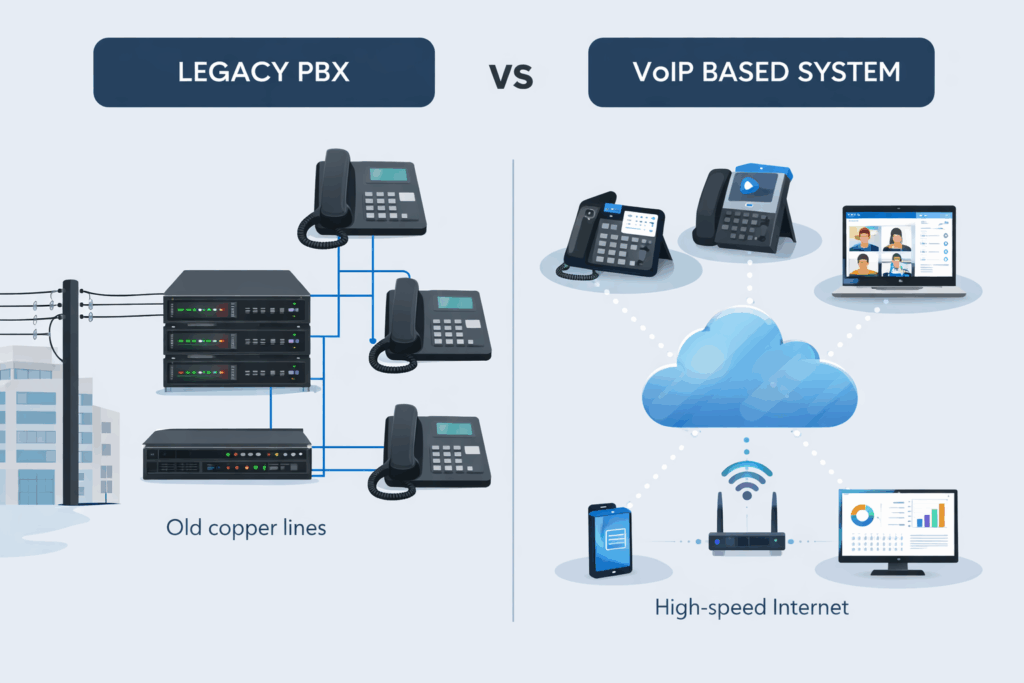
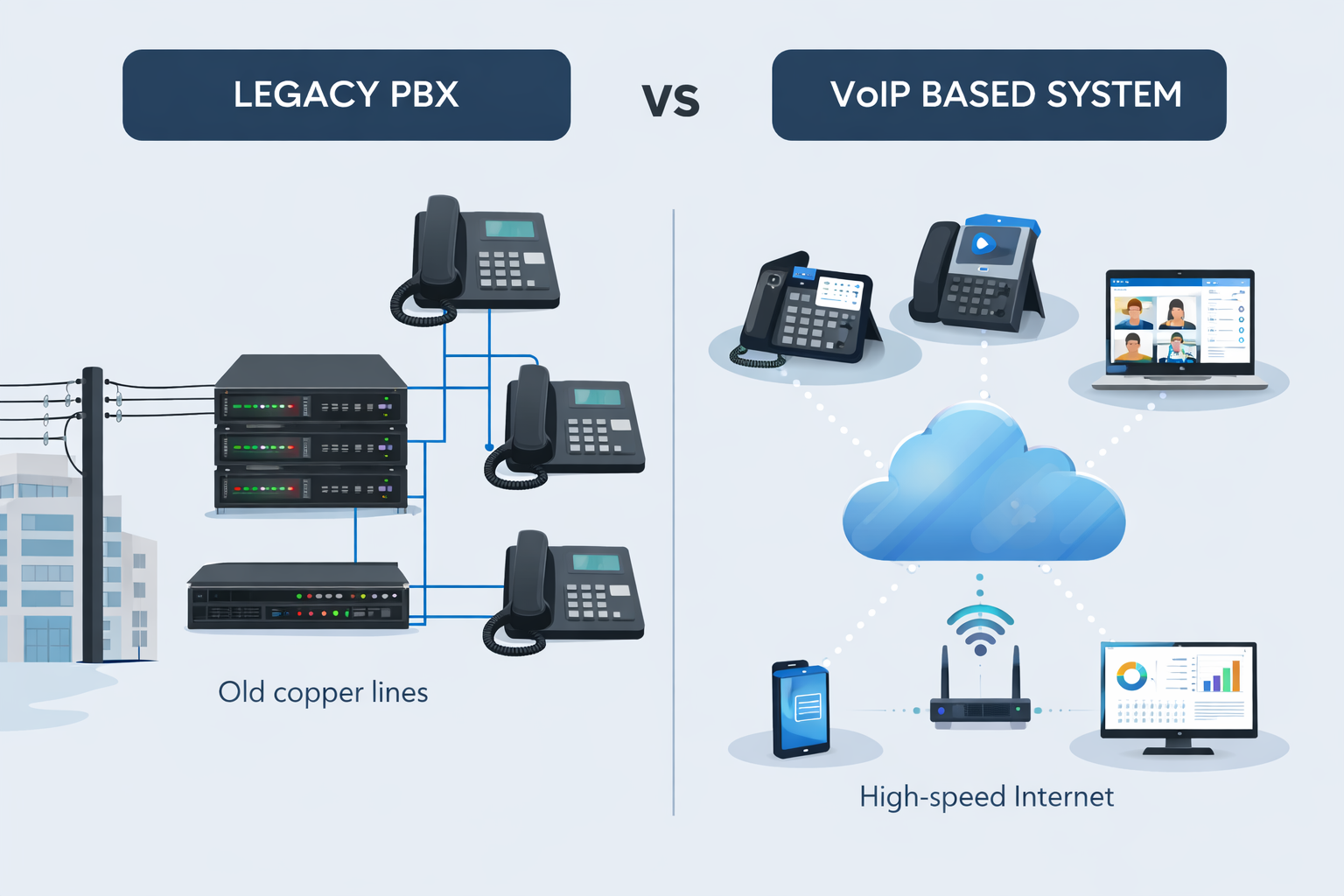
When comparing VoIP to traditional phone systems, one of the most notable differences is the underlying technology. Traditional phone systems rely on circuit-switched networks, where a dedicated circuit is established for each call. In contrast, VoIP uses packet-switched networks, where voice data is divided into packets and transmitted over the internet. This fundamental difference results in several advantages for VoIP, including lower costs and greater flexibility.
Another critical difference is the range of features offered by each system. Traditional phone systems typically offer basic features such as call waiting, caller ID, and voicemail. While these features are useful, they are relatively limited compared to the advanced capabilities provided by VoIP. VoIP systems offer a comprehensive suite of features, including unified communications, which integrates voice, video, and messaging into a single platform. This integration enhances collaboration and improves overall communication efficiency.
Furthermore, the installation and maintenance of traditional phone systems can be cumbersome and expensive. Setting up a traditional phone system often requires significant investment in hardware and cabling, and ongoing maintenance can be costly and time-consuming. VoIP, on the other hand, is much easier to install and maintain. Since VoIP relies on your existing internet connection, there is no need for additional wiring, and most VoIP systems can be managed through a user-friendly web interface.
Types of VoIP Services
There are several types of VoIP services available, each catering to different needs and preferences. One of the most common types is residential VoIP, which is designed for home users. Residential VoIP services typically offer features such as unlimited calling, voicemail, and caller ID. They are an excellent alternative to traditional landlines, providing cost savings and additional functionality for everyday communication.
Business VoIP services, on the other hand, are tailored to meet the needs of organizations of all sizes. These services often include advanced features such as auto-attendants, call queues, and conference calling. Business VoIP also integrates with other business tools, such as customer relationship management (CRM) systems, to streamline operations and improve customer service. Many business VoIP providers offer scalable plans that can grow with your company, ensuring that your communication needs are always met.
Another popular type of VoIP service is mobile VoIP, which allows users to make and receive calls using their smartphones or tablets. Mobile VoIP apps leverage your device’s internet connection, enabling you to stay connected even when you are on the go. These apps often include features such as video calling, instant messaging, and file sharing, making them a versatile communication solution for both personal and professional use.
Essential VoIP Features
One of the most valuable features of VoIP is voicemail-to-email. This feature allows you to receive your voicemail messages as audio files attached to an email. This makes it easy to listen to your messages on the go and ensures that you never miss an important call. Additionally, some VoIP systems offer voicemail transcription, which converts your voicemail messages into text, making them even more accessible.
Call forwarding is another essential VoIP feature that enhances your communication capabilities. With call forwarding, you can redirect incoming calls to another number, such as your mobile phone or a colleague’s extension. This ensures that you can always be reached, even when you are away from your desk. Many VoIP systems also offer advanced call forwarding options, such as time-based forwarding, which allows you to set specific rules for when and where your calls should be forwarded.
Video conferencing is a powerful feature that sets VoIP apart from traditional phone services. With video conferencing, you can hold virtual meetings with colleagues, clients, and partners from anywhere in the world. This feature not only saves time and travel expenses but also fosters better collaboration and communication. VoIP systems often include additional tools, such as screen sharing and virtual whiteboards, to enhance your video conferencing experience.
Setting Up Your VoIP System
Setting up a VoIP system is a relatively straightforward process, but there are a few essential steps to ensure a smooth transition. First, you will need to choose a VoIP provider that meets your needs. Consider factors such as pricing, features, and customer support when making your decision. Once you have selected a provider, you will need to set up your VoIP account and obtain any necessary hardware, such as IP phones or adapters.
Next, you will need to configure your VoIP settings. This typically involves logging into your provider’s web portal and entering your account information. You may also need to configure your network settings to prioritize VoIP traffic and ensure optimal call quality. Many VoIP providers offer detailed setup guides and customer support to help you with this process.
Finally, you will need to test your VoIP system to ensure that everything is working correctly. Make a few test calls to check call quality and verify that all features are functioning as expected. If you encounter any issues, consult your provider’s troubleshooting resources or contact their support team for assistance. Once your system is up and running, you can start enjoying the benefits of VoIP and take advantage of its advanced communication features.
Common VoIP Issues and Troubleshooting
While VoIP technology has come a long way, it is not without its challenges. One common issue is poor call quality, which can be caused by several factors, including insufficient bandwidth, network congestion, or improper configuration. To address this issue, ensure that your internet connection meets the recommended bandwidth requirements for VoIP and that your network is configured to prioritize VoIP traffic. Additionally, consider using a wired connection instead of Wi-Fi to reduce interference and improve call quality.
Another common issue is dropped calls, which can be frustrating and disruptive. Dropped calls can occur due to network instability, hardware issues, or problems with your VoIP provider’s service. To troubleshoot this issue, check your internet connection for any signs of instability and ensure that your VoIP hardware is functioning correctly. If the problem persists, contact your VoIP provider for assistance, as they may need to investigate potential issues on their end.
Echo and latency are also common VoIP issues that can impact call quality. Echo occurs when your voice is reflected back to you, creating a distracting and confusing effect. Latency, on the other hand, is the delay between when you speak and when the other person hears your voice. Both issues can be caused by network problems, hardware issues, or improper configuration. To address these issues, ensure that your network is optimized for VoIP and that your hardware is functioning correctly. Additionally, consider using noise-canceling headsets and echo-cancellation features to reduce echo and improve call quality.
Future Trends in VoIP Technology
As technology continues to evolve, so does VoIP. One of the most exciting trends in VoIP technology is the integration of artificial intelligence (AI). AI-powered features, such as virtual assistants and speech recognition, are becoming increasingly common in VoIP systems. These features can automate routine tasks, such as scheduling calls and transcribing messages, freeing up time for more important activities. AI can also enhance call quality by identifying and addressing potential issues in real-time.
Another emerging trend in VoIP technology is the rise of 5G networks. The increased speed and lower latency of 5G networks will significantly improve the performance of VoIP services, making them even more reliable and efficient. This will be particularly beneficial for mobile VoIP users, who will experience faster and more stable connections. As 5G networks continue to roll out globally, we can expect to see a surge in the adoption of VoIP technology.
Unified communications as a service (UCaaS) is also gaining traction as a future trend in VoIP technology. UCaaS combines VoIP with other communication tools, such as video conferencing, instant messaging, and collaboration platforms, into a single, cloud-based service. This integration simplifies communication and enhances productivity by providing a seamless user experience. As more businesses embrace remote work and digital transformation, the demand for UCaaS solutions is expected to grow significantly.
Conclusion and Next Steps
VoIP technology has revolutionized the way we communicate, offering a cost-effective, flexible, and feature-rich alternative to traditional phone systems. Whether you are an individual looking to save on phone bills or a business seeking to enhance your communication capabilities, VoIP has something to offer. By understanding the basics of how VoIP works, the benefits it provides, and the different types of services available, you can make an informed decision about whether VoIP is right for you.
If you are considering making the switch to VoIP, start by researching different providers and comparing their offerings. Look for a provider that offers the features and support you need at a price that fits your budget. Once you have selected a provider, follow the steps outlined in this guide to set up your VoIP system and ensure a smooth transition. Remember to test your system thoroughly and address any issues that arise to ensure optimal performance.
As you embark on your VoIP journey, stay informed about the latest trends and developments in VoIP technology. By keeping up with advancements such as AI integration, 5G networks, and UCaaS, you can continue to take advantage of the latest innovations and ensure that your communication system remains cutting-edge. With VoIP, the future of communication is bright, and the possibilities are endless.
Zoom breakout rooms are powerful tools for facilitating small group discussions, collaborative work sessions, and team activities during virtual meetings. Pre-assigning participants to breakout rooms before your meeting starts can…
With major carriers accelerating their copper network retirement throughout 2026, businesses relying on Plain Old Telephone Service (POTS) lines face an urgent decision: modernize now or risk service disruptions. At…
Choosing the right voice connectivity for Microsoft Teams can make or break your unified communications strategy. Whether you’re migrating from a legacy PBX, expanding globally, or simply trying to cut…
In today’s healthcare landscape, communication systems must do more than just connect calls—they need to protect patient privacy, support telemedicine, and streamline clinical workflows. VoIP (Voice over Internet Protocol) phone…
Artificial intelligence is revolutionizing VoIP phone systems for small business in 2026. What once required dedicated staff and complex workflows now happens automatically—smarter, faster, and more cost-effectively than ever before.…
Finding cheap VoIP for small business doesn’t mean sacrificing quality. In 2026, affordable VoIP solutions offer enterprise-grade features at prices that fit tight budgets—especially when you understand how contract length…
Choosing between VoIP vs traditional phone systems is one of the most impactful technology decisions small businesses face in 2026. While legacy landlines dominated for decades, cloud-based VoIP has emerged…
Switching to VoIP from traditional phone systems can save your small business thousands of dollars annually while unlocking powerful communication features impossible with landlines. However, a poorly planned migration can…
Awantrix is a leading provider of enterprise-grade Managed IT, Cybersecurity, and High-Speed Connectivity solutions. We empower businesses with the robust infrastructure and proactive support needed to scale in a digital-first world.